
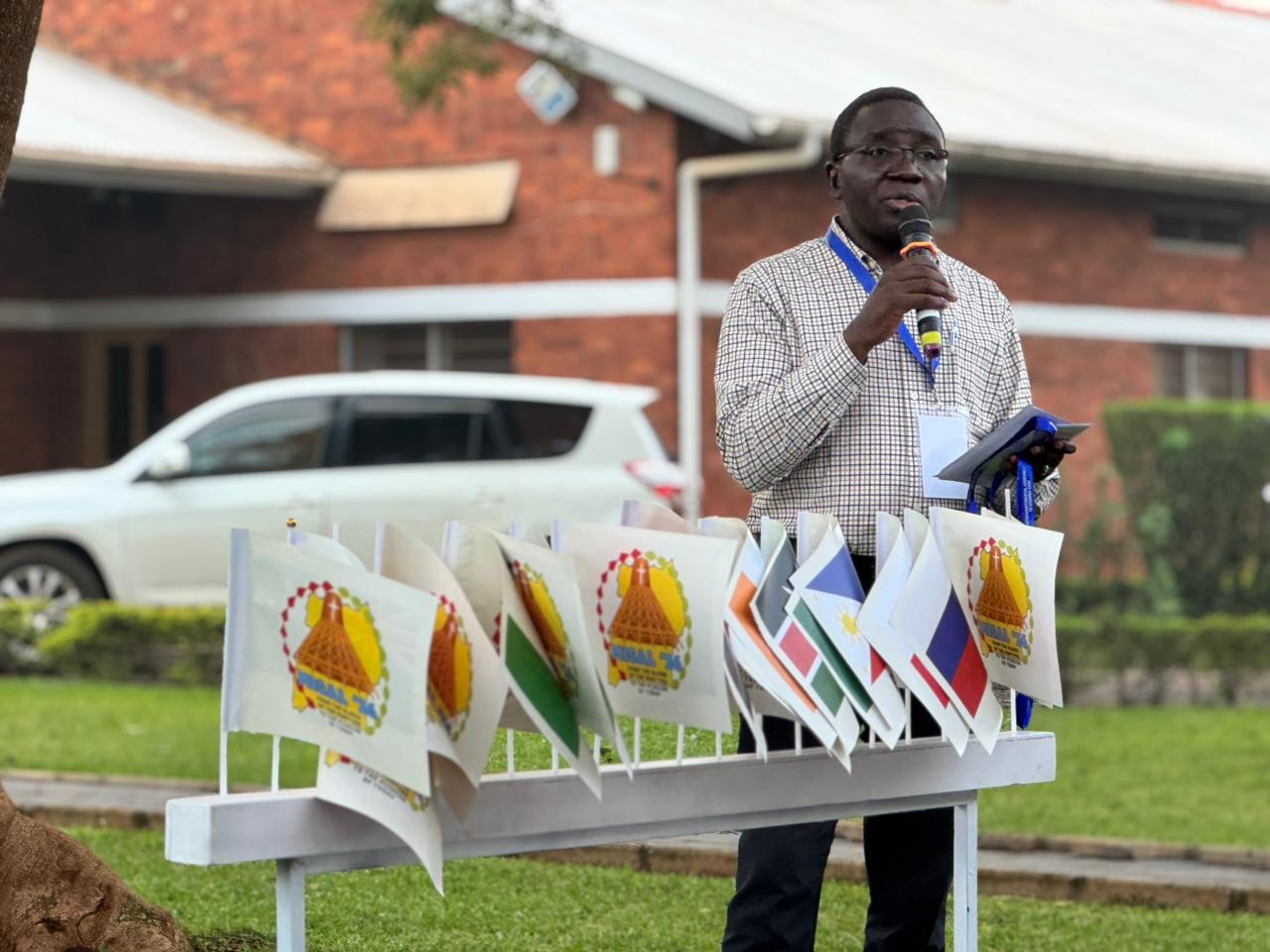
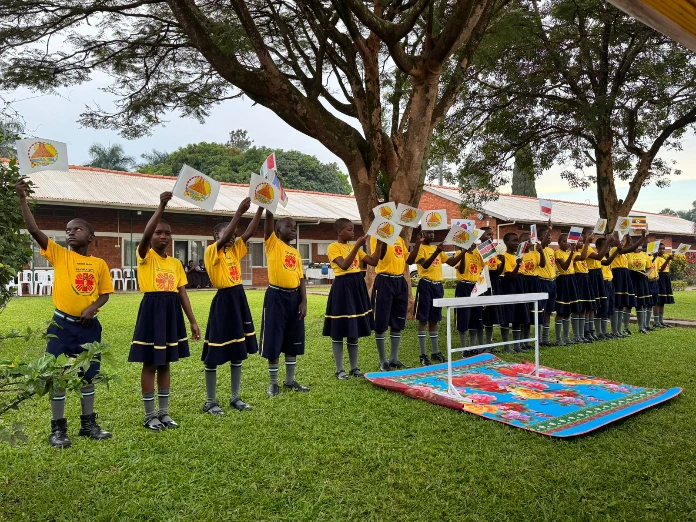
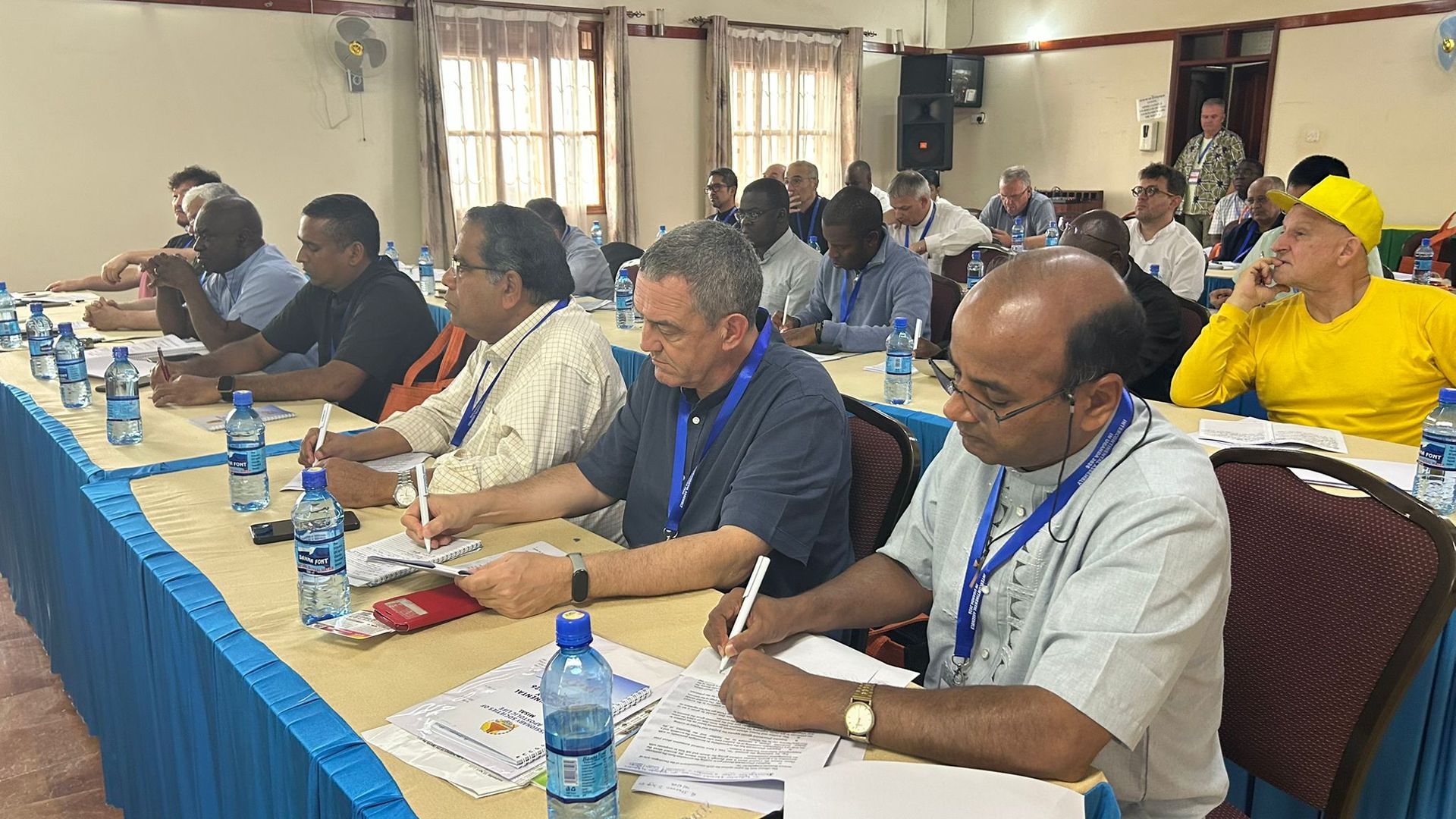
From 13 to 17 April 2026, the international MISAL meeting took place in Kampala, Uganda, with the participation of the SMB alongside the other member societies.
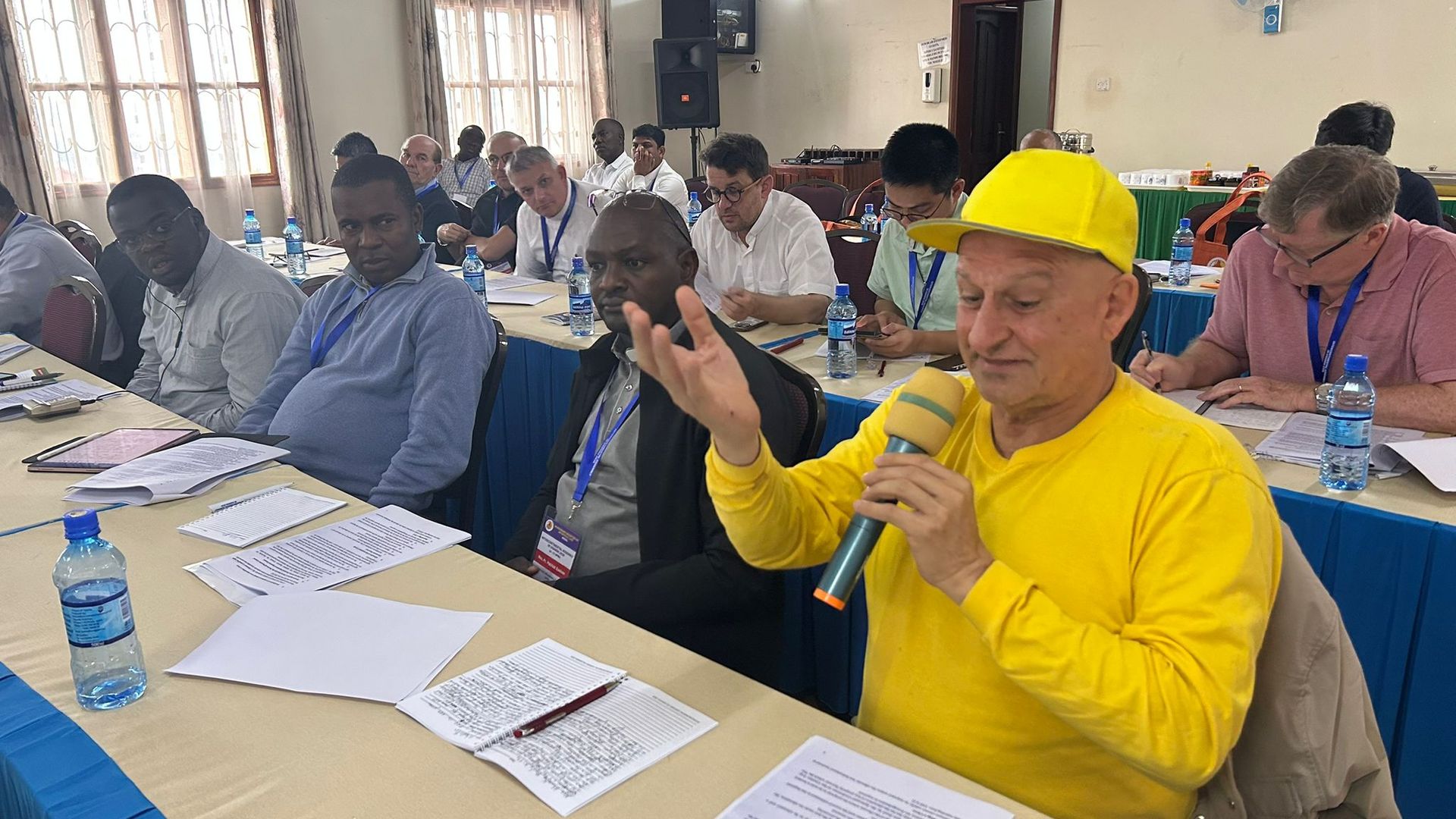
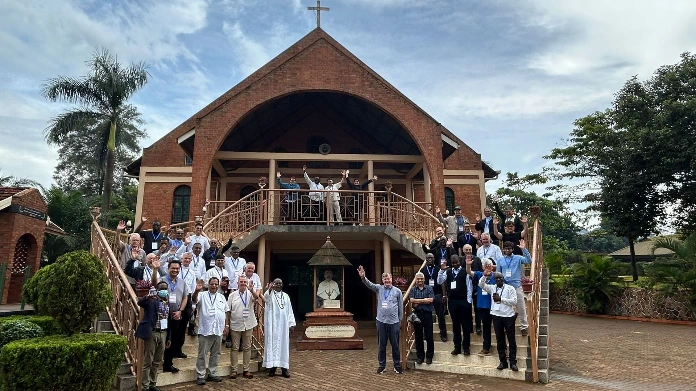
As in previous years, the meeting brought together Superiors General, members of General Councils, and delegated members of the missionary societies belonging to MISAL. This time, 35 participants were present, representing 20 societies of MISAL. The societies represented at the assembly were: the Paris Foreign Missions Society (MEP), the Pontifical Institute for Foreign Missions (PIME), the Society of African Missions (SMA), the Missionaries of Africa (White Fathers), Maryknoll Missionaries, the Missionary Society of St. Columban, the Spanish Institute for Foreign Missions (IEME), the Quebec Foreign Mission Society (PME), the Bethlehem Mission Society (SMB), the Yarumal Foreign Mission Society (MXY), the Boa Nova Missionary Society (SMP), St. Patrick’s Missionary Society (SPS), the Guadalupe Missionaries (MG), the Society of Priests of Saint James (PSJ), the Missionary Society of the Philippines (MSP), the Missionary Society of St. Thomas the Apostle (MST), the Korean Missionary Society (KMS), the Thai Missionary Society (TMS), the Missionaries of Mary Immaculate (MMI), and the Pilar Society (SFX). The Bethlehem Mission Society was represented by Fr. Ludovic Nobel, Superior General, and Igor Kopeykin, assistant to the Superior General.
The meeting also included the presence and participation of Fr. Anton Paul Padinjarathala, representative of the Dicastery for Evangelization, under which the MISAL member societies carry out their service in the Church.
Hosted by the Missionaries of Africa in Uganda
According to the MISAL rhythm, the secretariat passes every two years to the missionary society that hosts the next intercontinental assembly. For this cycle, that responsibility was assumed by the Missionaries of Africa. Their choice of Uganda was symbolic. Their own missionary history is closely tied to the beginnings of evangelization in the country, especially through Fr. Simeon Lourdel M.Afr., remembered as the “Apostle of Uganda.” That founding legacy is not only part of the past: the Missionaries of Africa continue to have a strong presence in Uganda today through their pastoral, formative, and missionary service in the local Church.
In his opening message, Fr. Stanley Lubungo, Superior General of the Missionaries of Africa, stressed that MISAL’s presence in Uganda was meaningful. He noted that the gathering in Kampala was more than a meeting: “we do more than hold a meeting, we make a pilgrimage.” By placing the Uganda Martyrs at the center, the hosts highlighted a missionary legacy shaped by sacrifice, courage, and fidelity.
The MISAL 2026 gathering was hosted at Lourdel House, Nsambya, Kampala, the Provincial House of the Missionaries of Africa in Uganda. The main working sessions took place at the Secretariat of the Association of Religious in Uganda (ARU), also in Nsambya, Kampala.
For this reason, MISAL 2026 combined two dimensions: first, talks, conferences, testimonies, and institutional exchange; second, visits and prayer at places linked to the Uganda Martyrs and to the historic and ongoing missionary presence of the Missionaries of Africa in the country. This gave the assembly not only a working framework, but also a clear spiritual, missionary and cultural depth.
Working Sessions and Common Reflection
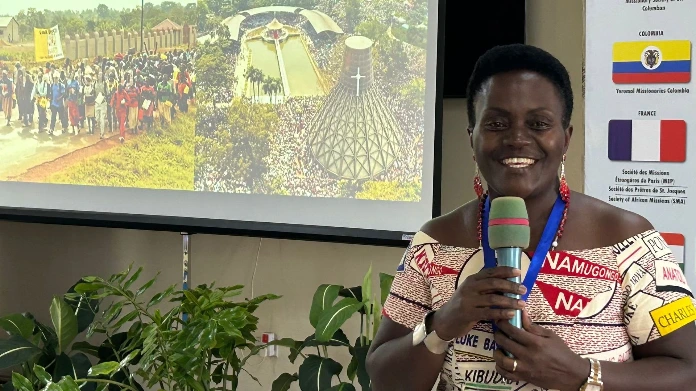
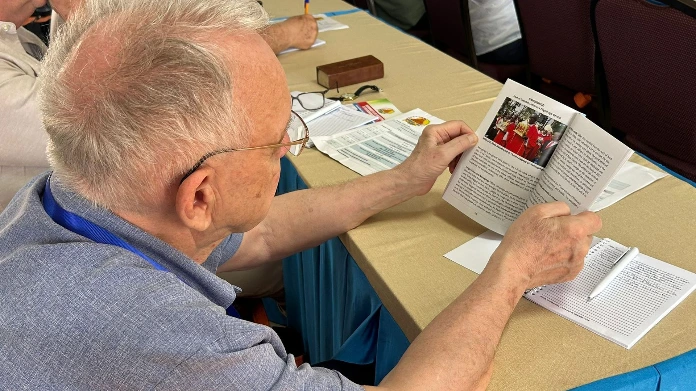
The first dimension was the intellectual and missionary framework of the meeting. On Tuesday 14 April, participants reflected on the history of faith in Uganda and on the historical context of evangelization, with contributions from Fr. Richard Nnyombi M.Afr. and Msgr. Laurence Ssemusu. In his conference on the legacy of the Uganda Martyrs, Msgr. Ssemusu insisted that their witness is not simply a chapter of history but a living force in the Church of Uganda and beyond. He presented their legacy as an “influence that refuses to die,” marked by several enduring features: the primacy of God over every earthly authority, faith proven through suffering, moral courage, and a capacity to shape others even in the face of death. He also underlined the wider ecclesial impact of their witness: the strengthening of a vibrant African Church, the international recognition of African holiness, the ecumenical significance of Catholics and Anglicans dying together, and the continuing pilgrimage culture that keeps their memory alive in Namugongo. Addressing the superiors directly, he moved from admiration to responsibility, challenging missionary leaders to form men and women of conviction rather than mere functionaries, to resist compromise, and to lead for legacy rather than tenure. In this perspective, the martyrs were presented not only as figures to remember, but as a continuing call to faithful, courageous, and missionary Christian life today. These inputs were followed by testimonies.
On Thursday 16 April, the program focused more directly on the present life and governance of MISAL societies. Fr. Anton Paul Padinjarathala, representing the Dicastery for Evangelization, offered a practical contribution from the perspective of the Holy See. His intervention dealt with concrete questions of governance in societies of apostolic life, especially in cases that require clear canonical procedure and careful leadership. Among the points he addressed were the juridical handling of automatic dismissal, investigations in cases of serious accusations, dispensation from clerical obligations, incardination, recourse against decrees, the possibility of non-clerical major superiors under specific conditions, the alienation of ecclesiastical goods, and the suspension of a cleric. He also underlined the role of the Dicastery in confirming or authorizing certain decisions that exceed the competence of the societies themselves.
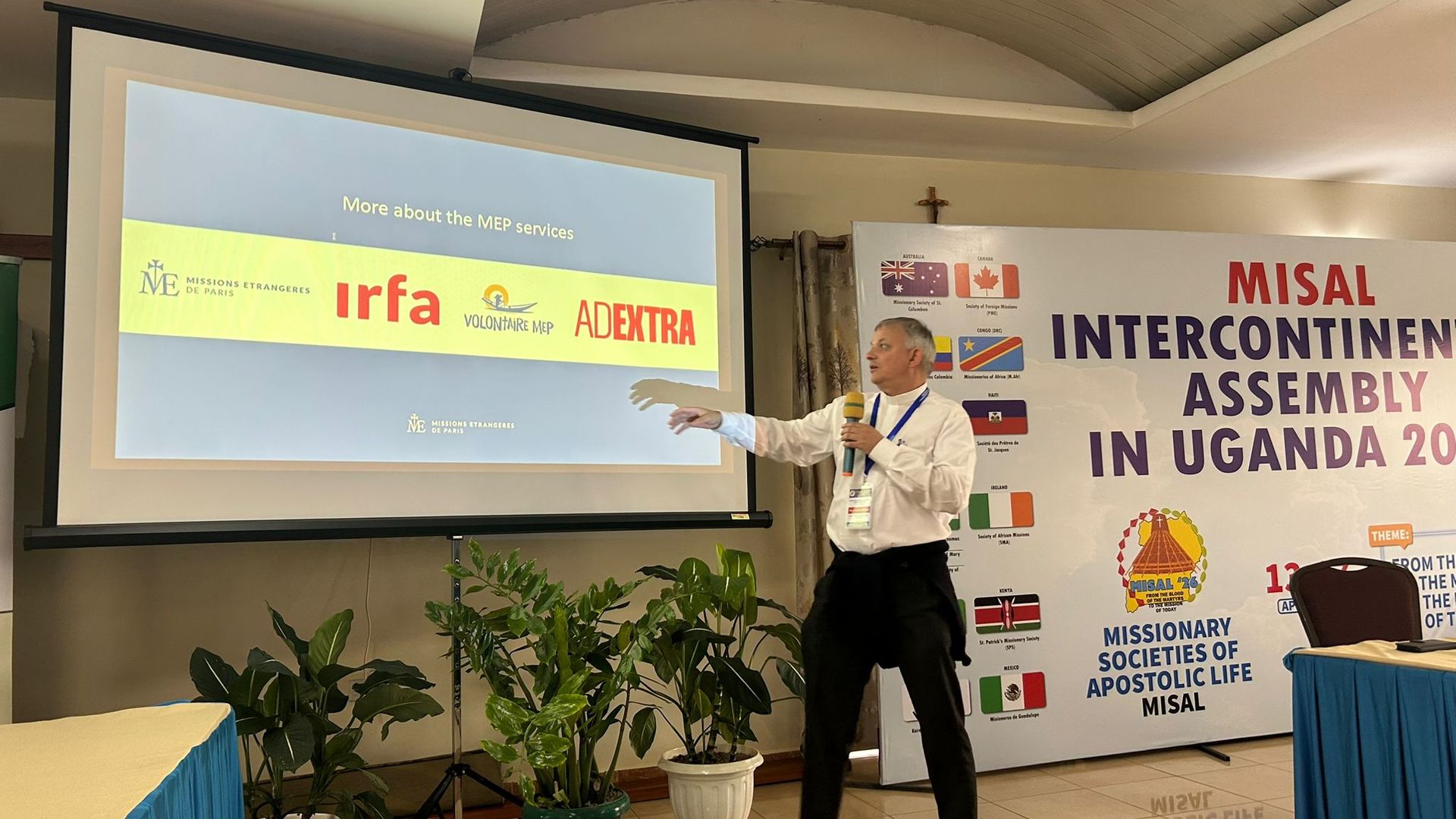
This was followed by news and presentations from the institutes. Among these contributions, the Paris Foreign Missions Society (MEP) presented two current initiatives in the field of missionary communication. The first was the documentary Baroudeurs du Christ, directed by Damien Boyer and released in November 2025. The film offers a contemporary portrait of missionary life in Asia and the Indian Ocean, and the MEP delegation noted its encouraging reception in both French-speaking and English-speaking contexts. MEP also introduced AD EXTRA, its current external information platform dedicated to news, analysis, and dialogue around mission in Asia. This platform represents a renewed form of the society’s earlier communication efforts, especially those previously associated with Églises d’Asie. These presentations fit well within the wider purpose of the day: not only to share institutional news, but also to identify practical avenues of collaboration, including in the area of communication, missionary visibility, and the sharing of resources across societies.
The Bethlehem Mission Society (SMB) presented its current missionary profile showing a presence today in Europe, Africa, Asia, and Latin America. The presentation briefly recalled the society’s origins in Switzerland, its development from mission territories to missionary projects, and its spirituality rooted in the Incarnation, marked by simplicity, childhood, fellowship, solidarity, and missionary presence. Particular attention was given to the present stage of the society: since the 2023 General Chapter, SMB has entered a new phase of internationalization, welcoming candidates from beyond Switzerland and developing a ten-year missionary formation process centered in Zimbabwe, with further stages of formation and missionary experience in collaboration with other institutes. The presentation also highlighted some of the society’s current concrete presences, including the mother house in Immensee, the missionary life training center in Torry, the continuing mission in Taiwan and Colombia.
This was followed by a General Assembly dedicated to possible fields of collaboration and to the choice of the next host for the intercontinental MISAL meeting. The next intercontinental MISAL assembly will take place in Colombia from 24 to 28 April 2028. The invitation was extended by Yarumal, which will at the same time celebrate the centenary of the society’s foundation.
Pilgrimage Dimension
The second major dimension of the gathering was the pilgrimage itself. The organizers intentionally rooted the meeting in the history of the Uganda Martyrs, both Catholic and Protestant, giving the encounter also an ecumenical character and linking the reflection on mission with places where the Gospel was received, tested, and witnessed to at the cost of life.
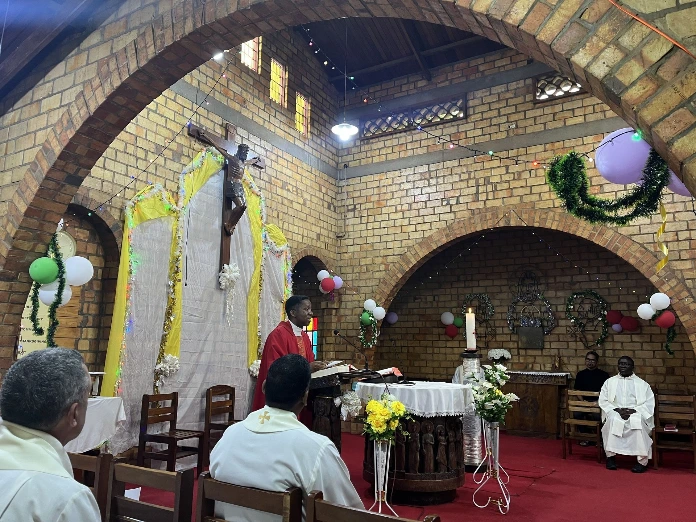
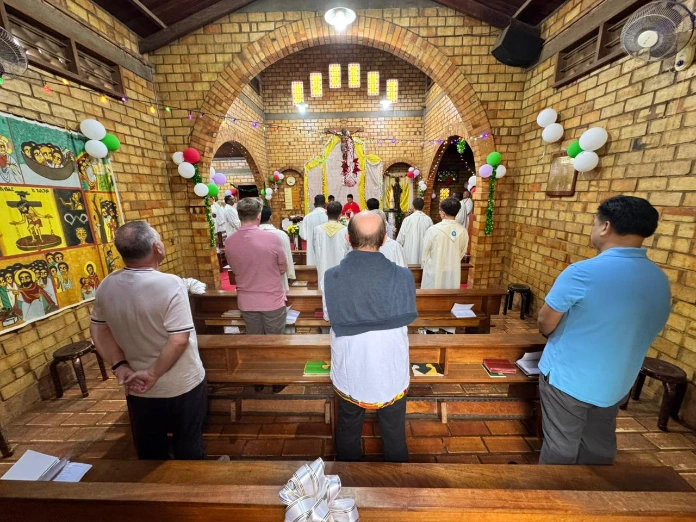
The pilgrimage began on Tuesday evening with the visit to Munyonyo Minor Basilica, where the participants celebrated the Eucharist. This place is especially significant because it was here, near the royal setting of Buganda, that the drama of the martyrs began to unfold. From this world of court life, loyalty, and power, the young royal pages were seized and put to the test because they had come to recognize in Jesus another King, one higher than the earthly ruler. The visit and Mass at Munyonyo thus placed the assembly immediately before the central question of Christian witness.
On Wednesday 15 April, the participants first visited Nabulagala Mapeera church, one of the foundational places of Catholic history in Uganda. There they were introduced to the memory of the first Catholic mission, to the early presence of the Missionaries of Africa, and to the history of the first mission house and church established there. The visit also included St Mary’s Cathedral, Lubaga, which remains one of the major Catholic centers in the country and a visible sign of the growth of the local Church from missionary beginnings to a firmly rooted ecclesial life.
The pilgrimage then continued through the Kasubi Royal Tombs, the UNESCO World Heritage site that preserves the royal memory of Buganda. This stop helped situate the story of evangelization within the wider cultural, political, and spiritual world of the kingdom into which the Christian faith first entered.
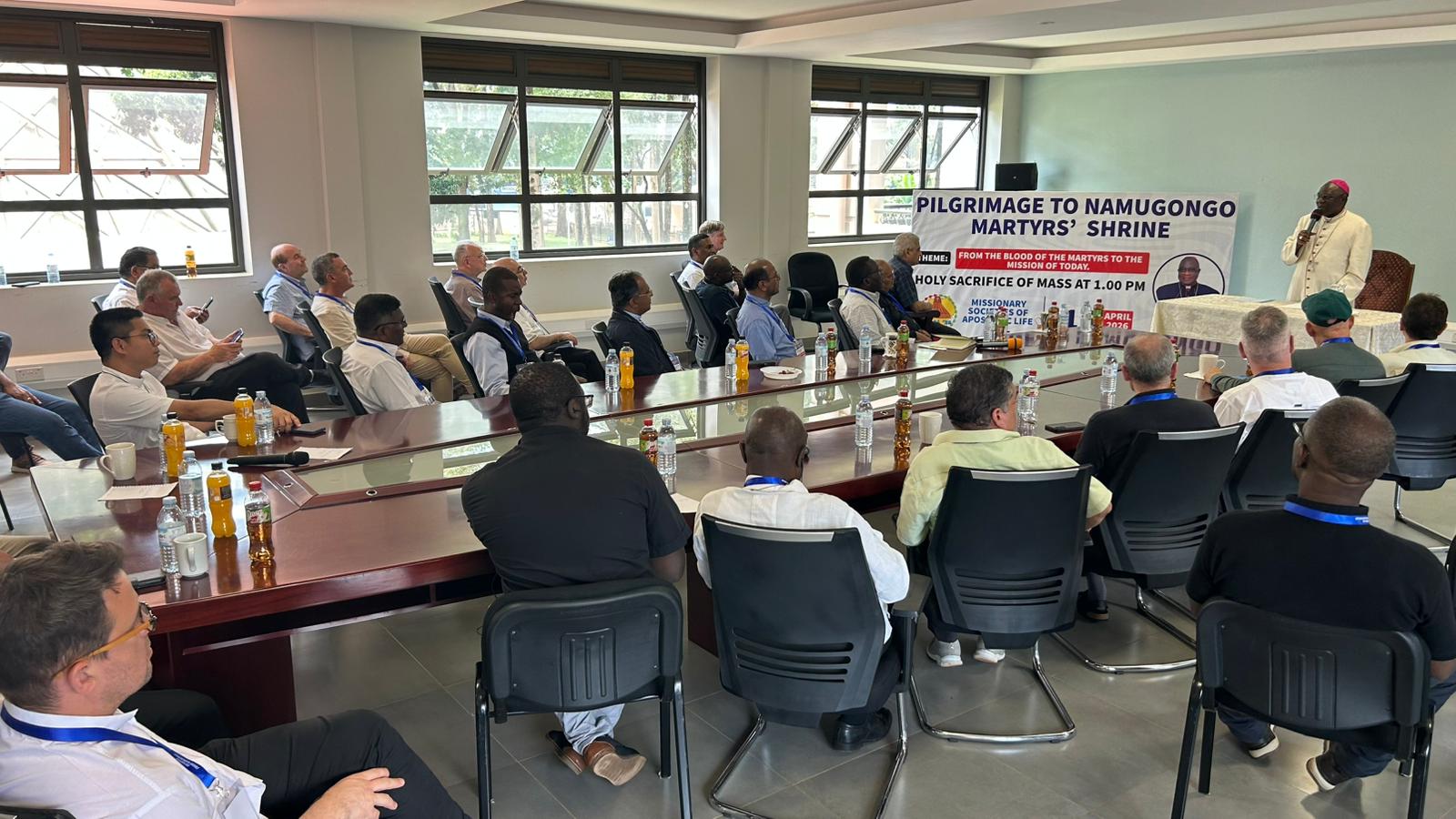
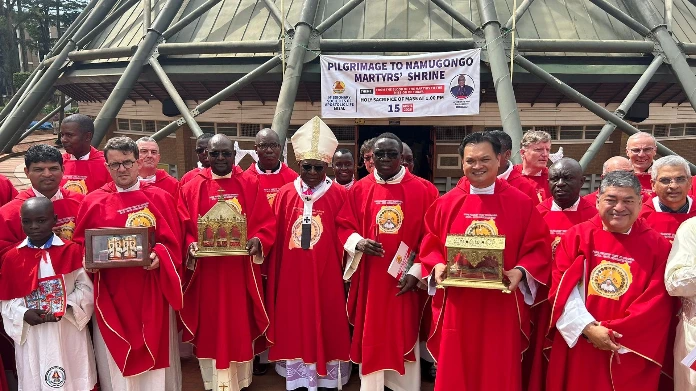
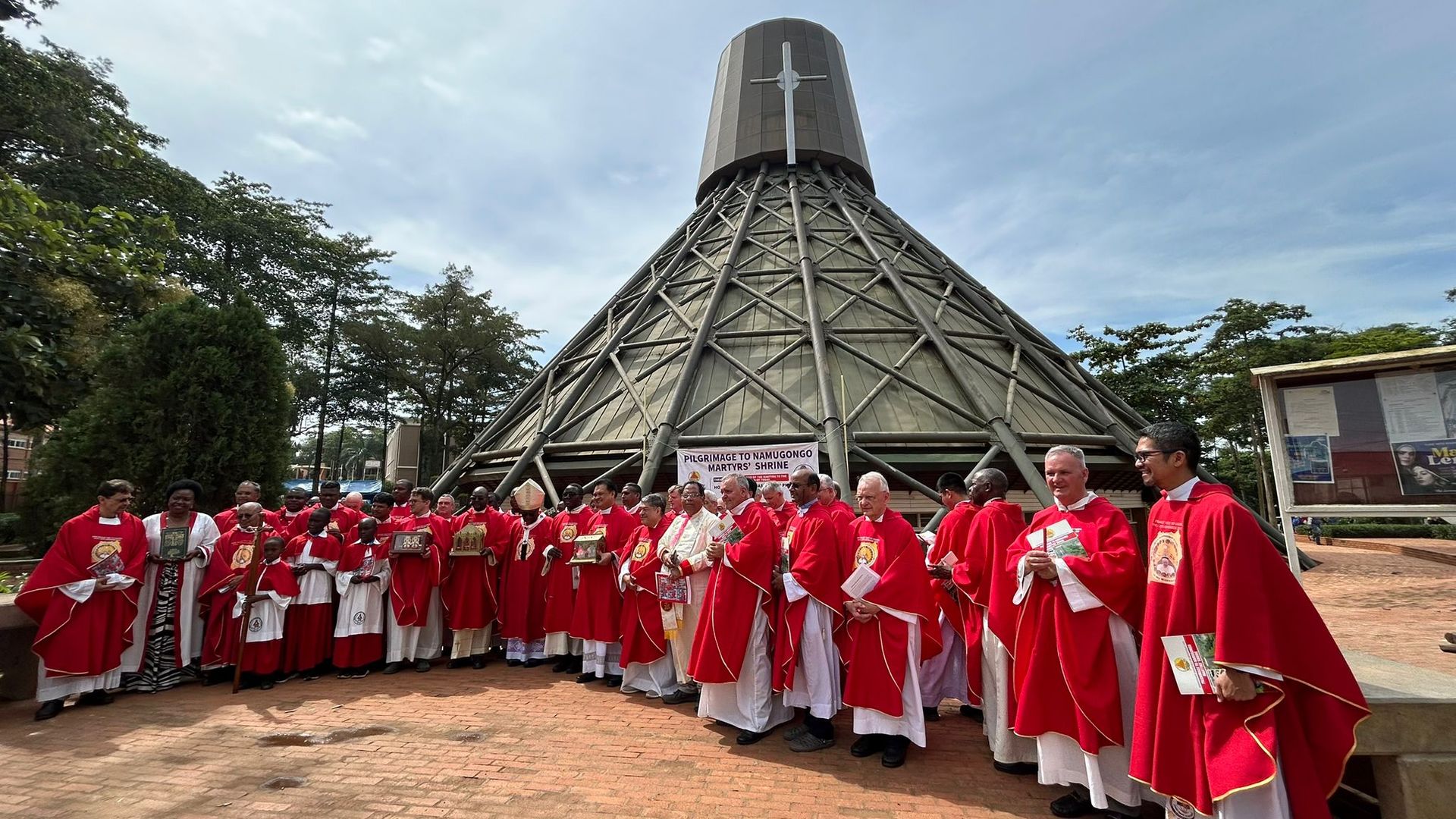
A central moment of the day was the visit to Namugongo, the Major Basilica of the Uganda Martyrs, where the participants met Archbishop Paul Ssemogerere and concelebrated the Eucharist with him. In his message, the Archbishop welcomed MISAL to Uganda as “the Land of the Martyrs and Pearl of Africa” and thanked the missionary societies whose predecessors brought the “Light of Christ” to the country. Referring to the witness of the martyrs, he emphasized the importance of memory and remembrance, warning against taking for granted what has been handed down in faith. He also recalled how, after the temporary departure of the pioneer missionaries in 1882, the young Christian community—guided by future martyrs and local leaders—was able not only to preserve the faith but to continue growing. For him, this showed how the Holy Spirit was already at work in both mission ad intra and mission ad gentes, and even in an early form of what he called the “ecumenism of blood.”
At Namugongo, the participants also received the message of Fr. Vincent Lubega M.Afr., rector of the shrine parish. He highlighted the extraordinary vitality of this pilgrimage site, which every year receives vast numbers of pilgrims, culminating around 3 June, when about one million pilgrims gather there, many of them staying on the site for days and even a full week. He described this “Namugongo phenomenon” as a living proof that “the blood of the martyrs is the seed of Christianity.” For him, the continuing growth of Christianity in Uganda is not an abstract theory but a visible reality rooted in the witness of the martyrs. He invited the MISAL participants to take home “the faith of the martyrs,” a faith whose strength is greater than fear.
The ecumenical dimension of the day was strengthened by the visit to Nakiyanja, the Anglican site associated with the Uganda Martyrs, as well as to its museum and memorial setting. Since the martyrs were in part Catholic and in part Protestant, their witness belongs not only to one confession but to the shared Christian memory of Uganda.
The day concluded with a cultural evening and dinner in Ndele, adding an important local cultural and human dimension to the assembly. In this way, the Ugandan context was not simply the backdrop of the meeting.
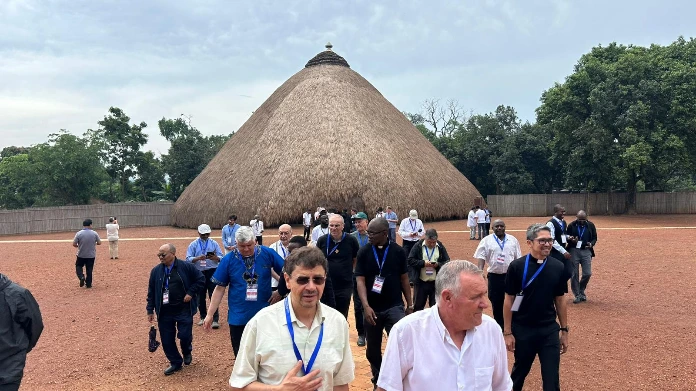
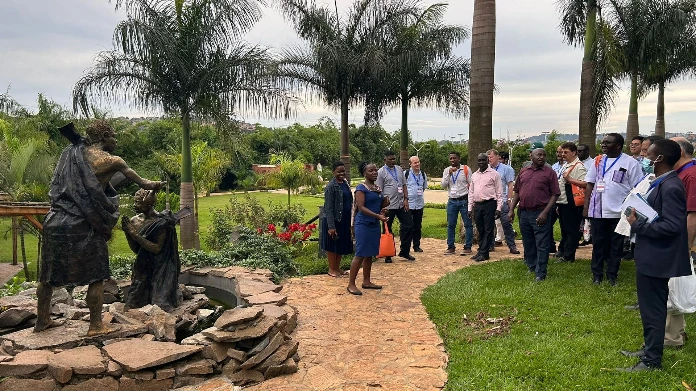
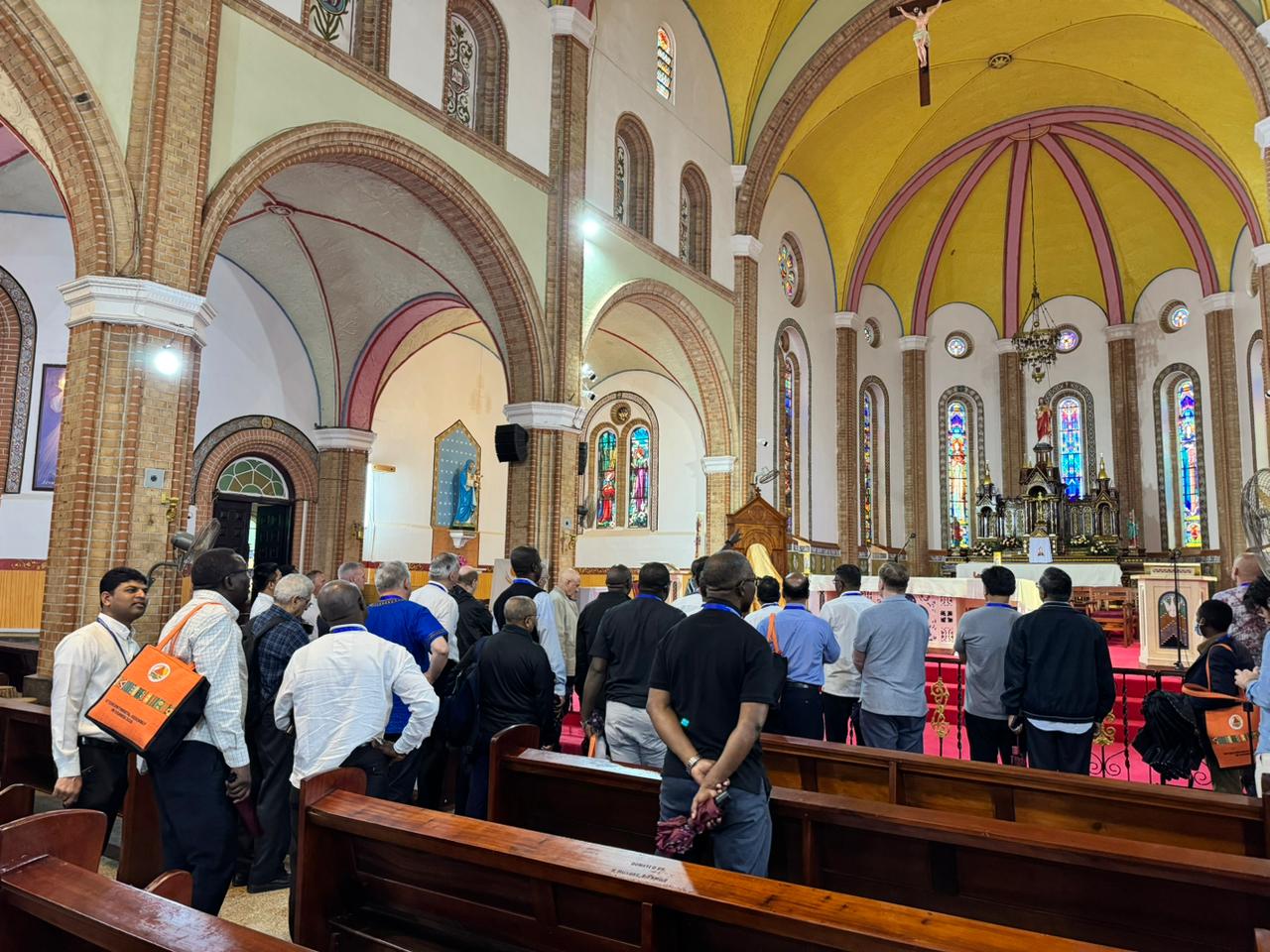
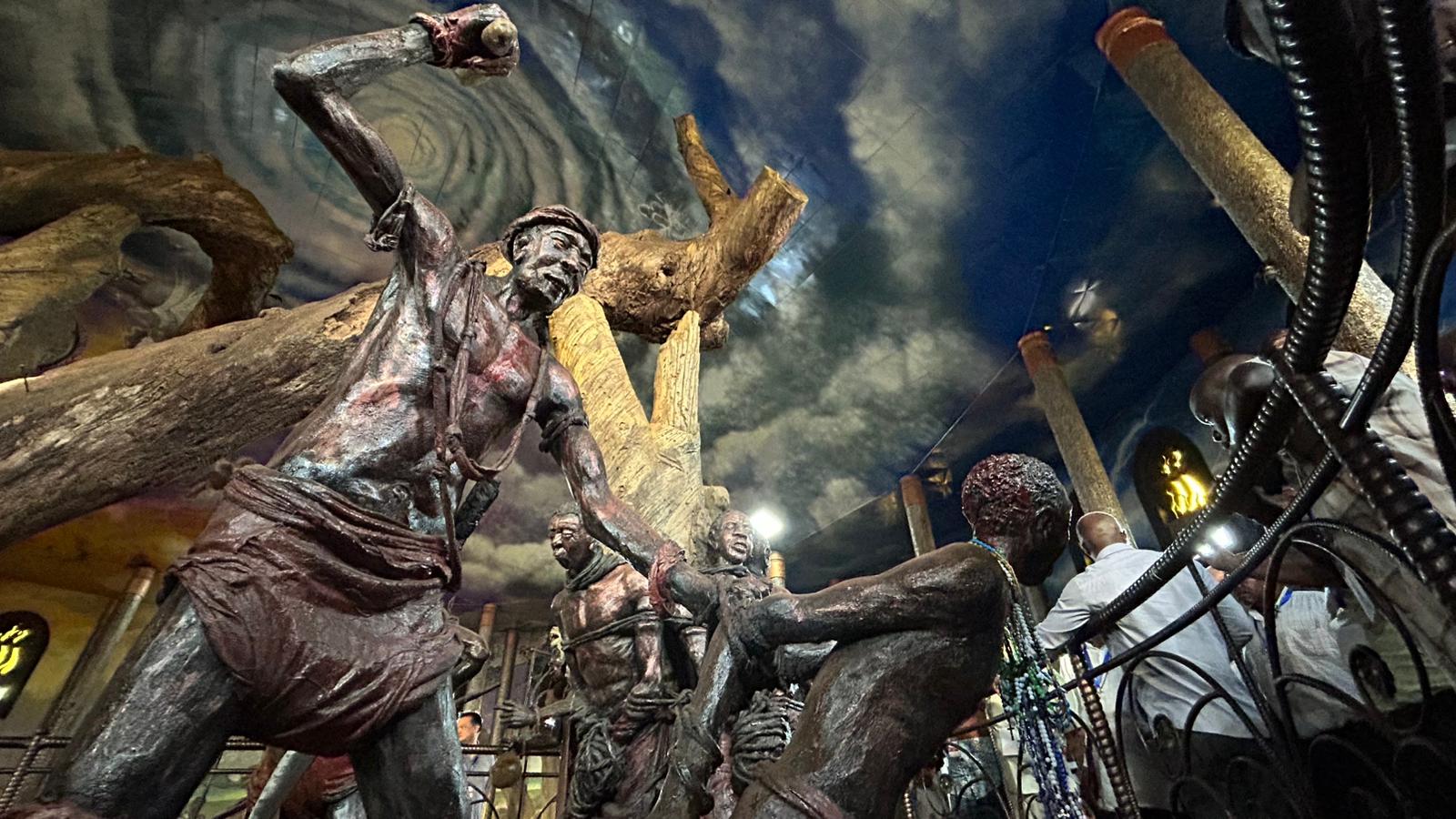
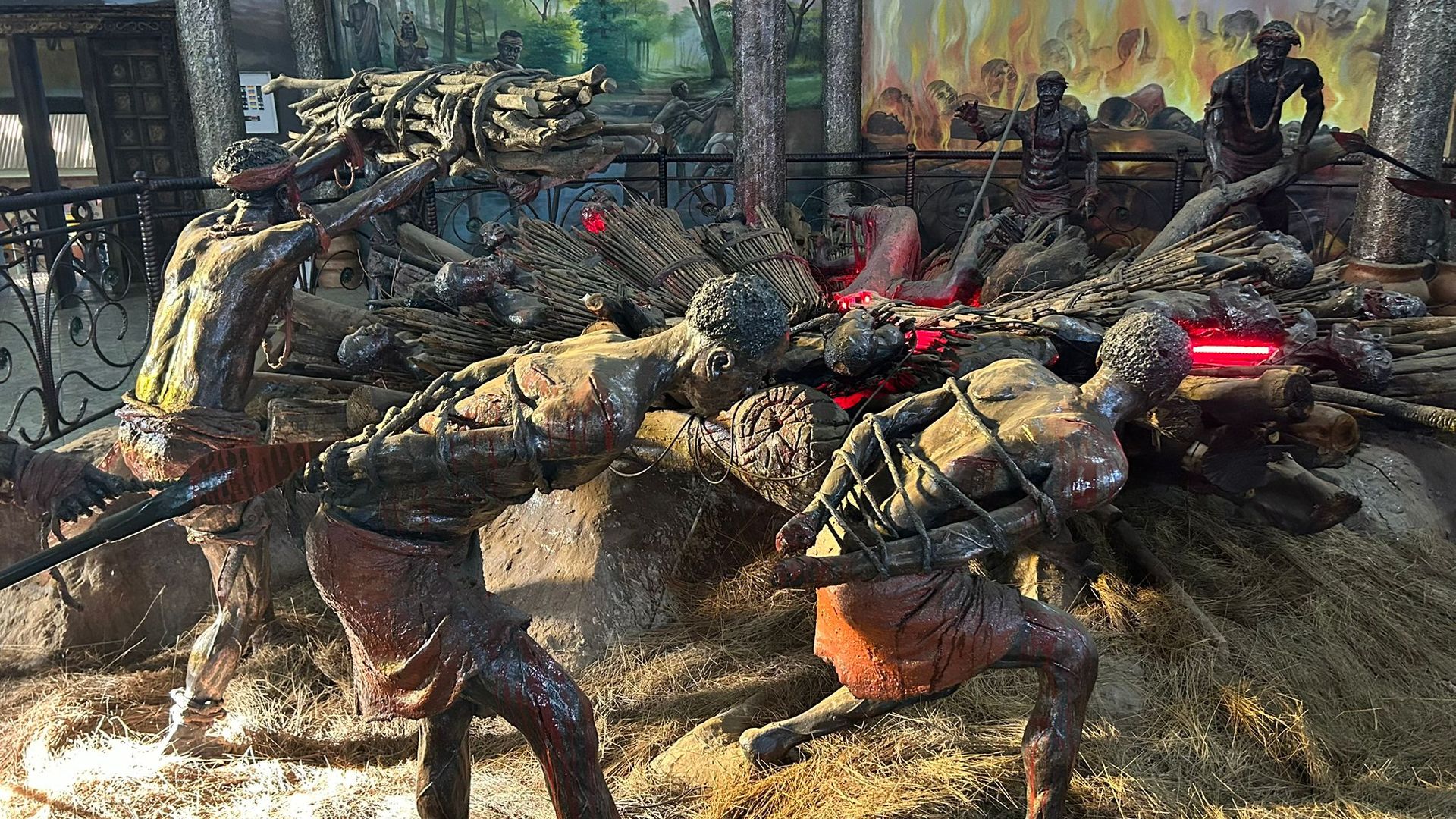
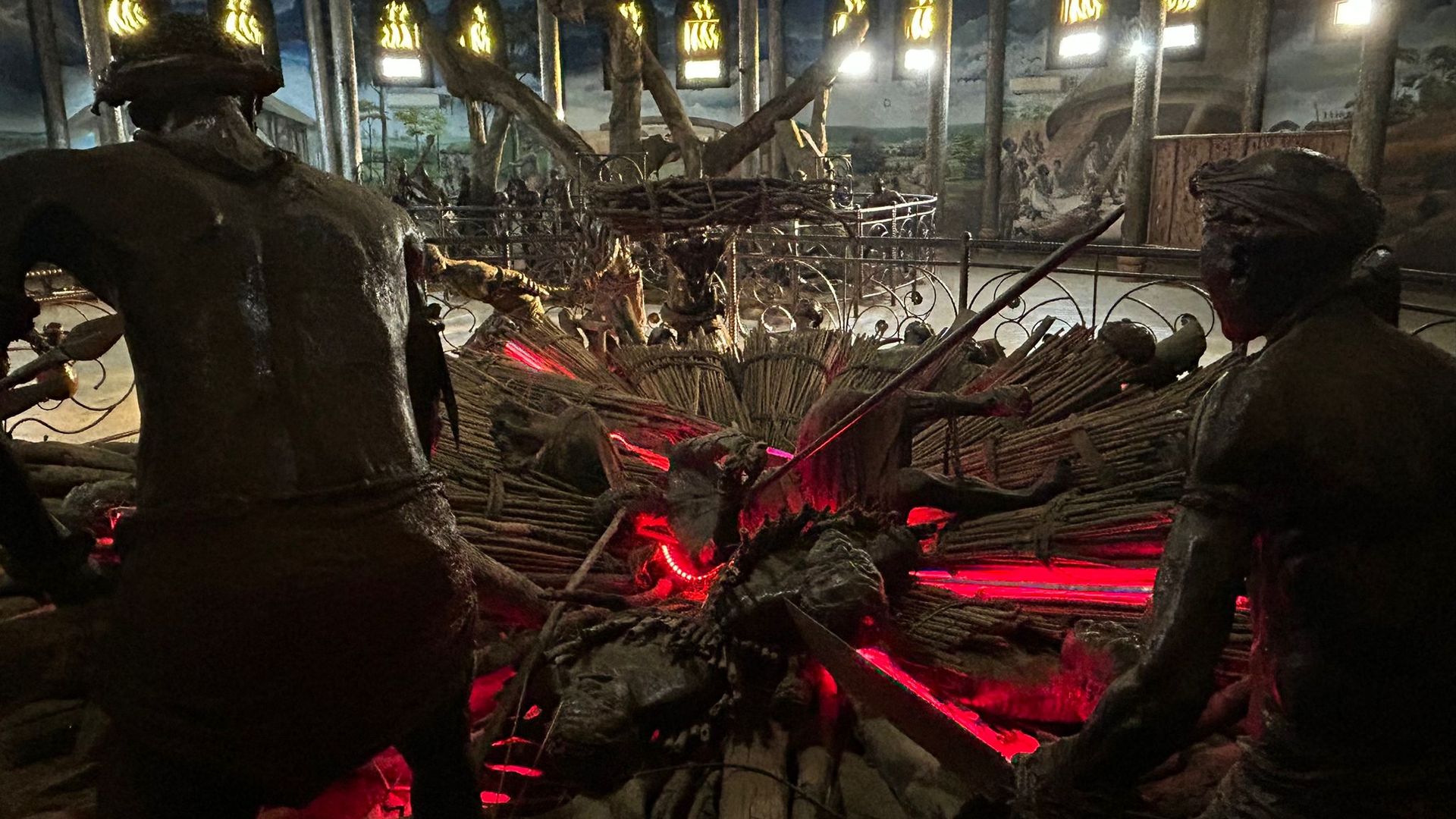
Through the martyrs, the royal history of Buganda, the missionary legacy of the Missionaries of Africa, the ecumenical witness of shared martyrdom, and the living pilgrimage culture of Namugongo, the participants were invited to see how mission, memory, witness, and culture remain closely linked in the life of the Church today.
Christianity in Uganda: Historical context and Catholic missionary presence
The history of Christianity in Uganda is closely linked to the Kingdom of Buganda and to a decisive moment in 1875. On 14 April of that year, Kabaka Muteesa I wrote to Queen Victoria, asking that “teachers of religion” and other skilled persons be sent to his kingdom. On the same day, Sir Henry Morton Stanley also appealed publicly for missionaries to come to Uganda. These two letters opened a new chapter in the religious history of the region and marked the beginning of a missionary presence that would have lasting consequences for the Church in Uganda.
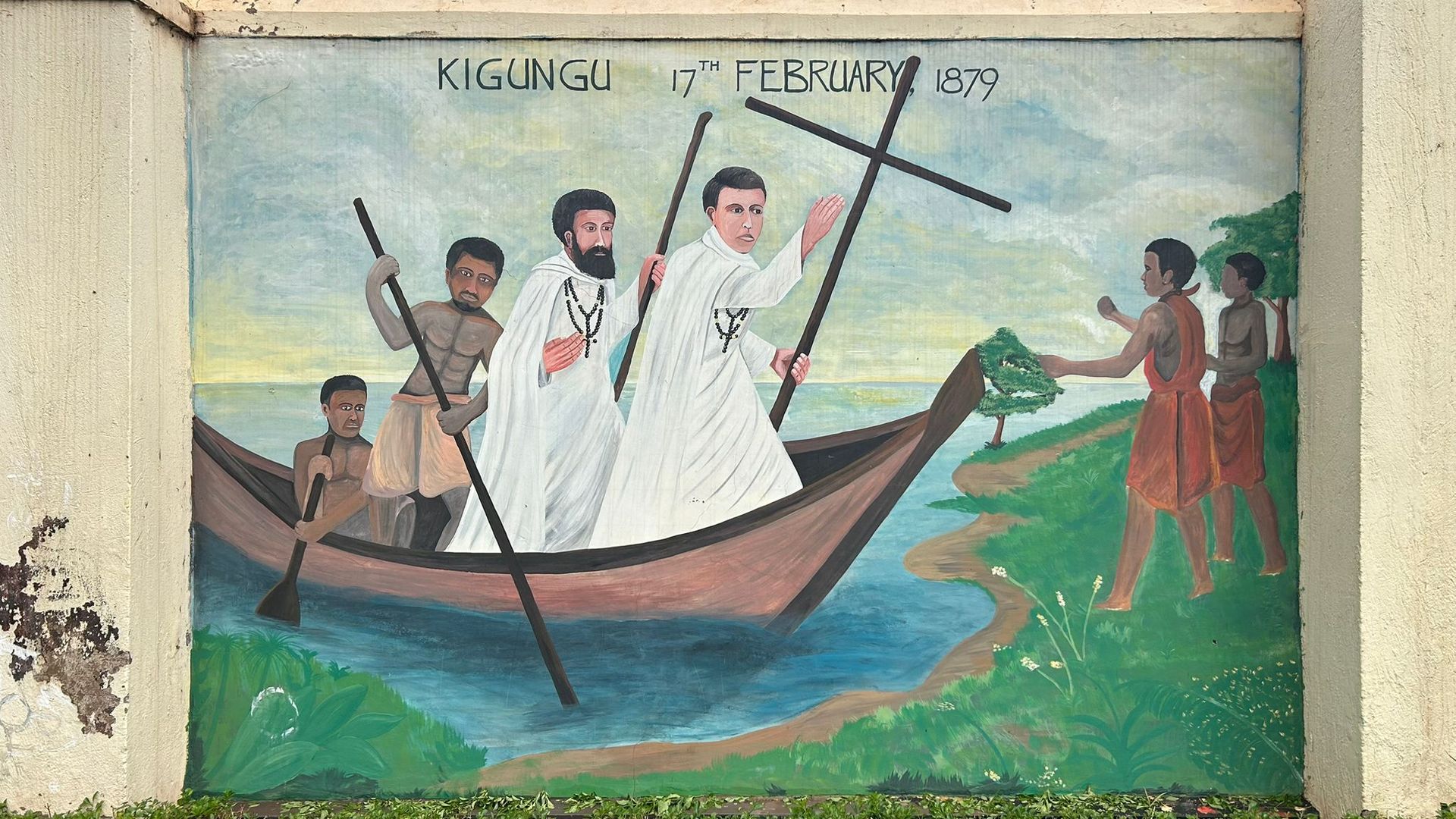
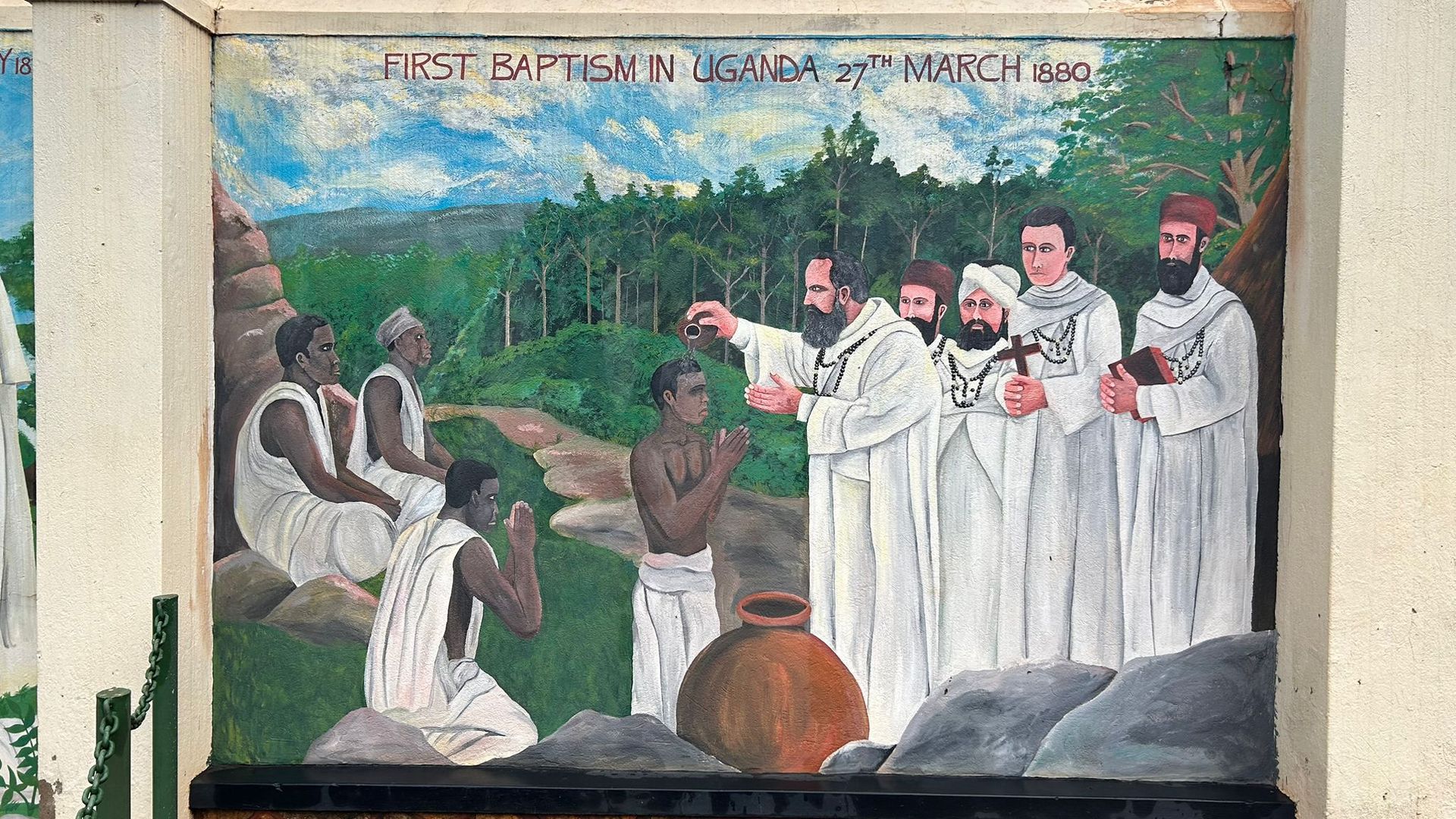
The first missionaries to respond were the Anglicans of the Church Missionary Society, who arrived in 1877. The first Catholic missionaries, the Missionaries of Africa (White Fathers), arrived in 1879. Their coming is linked in a particular way with Fr. Simeon Lourdel, known locally as Mapeera and often referred to as the “Apostle of Uganda.” His name remains central in the memory of the beginnings of Catholic evangelization in the country. Before leaving for Equatorial Africa, Lourdel wrote his spiritual testament on 15 April 1878, expressing his willingness to give his life entirely for the mission. This missionary spirit of total availability and sacrifice would deeply mark the Catholic presence in Uganda from the outset.
The first years of evangelization unfolded in a politically and religiously complex environment. Islam was already present at the court of Muteesa I, and Christianity entered into a context shaped by traditional religion, royal politics, and competition between confessional influences. Yet the missionary presence developed rapidly. The Catholic mission was not limited to preaching: from the beginning, it combined catechesis, sacramental life, education, practical training, and a visible commitment to the building up of local communities.
One of the defining moments in the history of Christianity in Uganda was the martyrdom of young converts and court officials under Kabaka Mwanga in the 1880s. The Uganda Martyrs, both Catholic and Protestant, became the first great fruits of the missionary era.
The Catholic mission gradually became more structured. In 1890, Lubaga Hill was given to the Catholic missionaries, and the mission station was transferred there in 1891. Lubaga would become one of the central places of Catholic life in Uganda. The early church was destroyed in 1892 during the Catholic-Protestant conflict, but the Catholic presence remained and developed further. In 1899, the first religious women arrived: the Missionary Sisters of Our Lady of Africa (White Sisters). In the same year, they founded Lubaga Hospital, the first Catholic hospital in Uganda. Catholic mission thus expanded not only through preaching and sacramental ministry, but also through health care, education, and the formation of women and families.
This development continued in the early twentieth century. St. Mary’s College, the first Catholic college within the White Fathers’ vicariate, was founded in 1906. The building of the present cathedral at Lubaga began in 1914, and it was consecrated in 1925. Over the decades, the Catholic Church became one of the key religious and social institutions in the country. The Church’s contribution was not confined to pastoral structures: it also played a major role in schools, hospitals, formation centers, and the emergence of local clergy and leadership.
A particularly significant sign of the maturity of the Church in Uganda was the rise of African leadership. Archbishop Joseph Kiwanuka, who died in 1966, is remembered as the first modern African Catholic bishop south of the Sahara. His role marked a decisive stage in the transition from a missionary-founded Church to a locally rooted Church with its own pastors and institutions. This broader ecclesial significance was confirmed by the visit of Pope Paul VI in 1969, when he launched SECAM in Kampala and addressed the bishops of Africa in words that are still remembered as a milestone in the history of the Church on the continent.
Today, Christianity in Uganda remains marked by this double heritage: the missionary beginnings and the witness of the martyrs. Catholic life in the country cannot be understood without reference to places such as Lubaga, Munyonyo, and Namugongo, where memory, liturgy, and mission continue to meet.
