Our mission in China
Building on a rich missionary heritage, the Bethlehem Mission Society has been present in China for decades, witnessing its faith through service, dialogue, and dedication to local communities.
The first area abroad in which the Bethlehem Mission Society worked was the inaccessible north-east of China, more precisely the Apostolic Prefecture of Qiqihar in Heilongjiang Province. The first three Bethlehem missionaries travelled there in 1924 and worked there until the Communist regime persecuted and expelled them in the 1950s.
Early mission in China
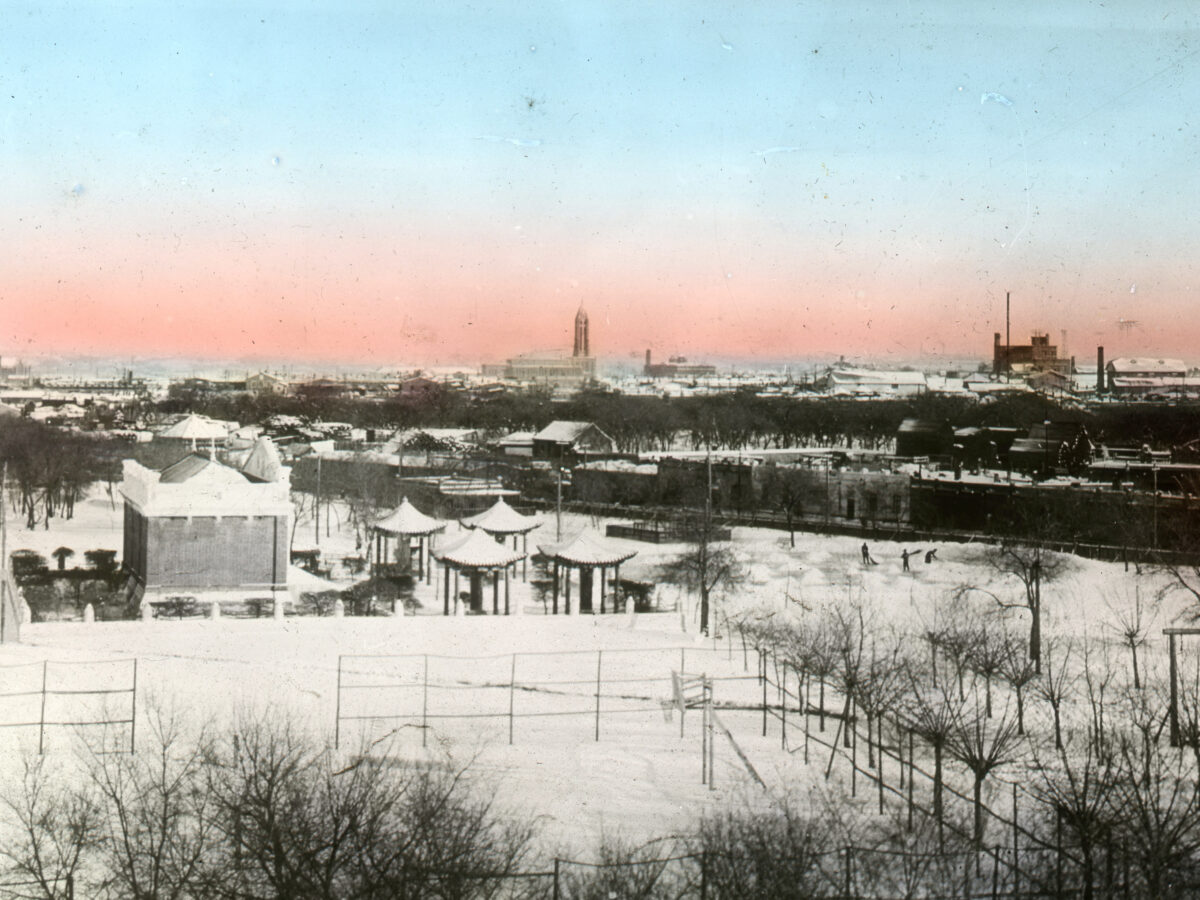
The pastoral work was an enormous challenge because of the climate and lack of infrastructure in the province.
Then came the Japanese occupation followed by the communist regime that made missionary work difficult and then impossible. Many missionaries suffered in prison, three met a violent death, and a further nine died from typhoid, scarlet fever, sepsis, stomach poisoning or heart failure.
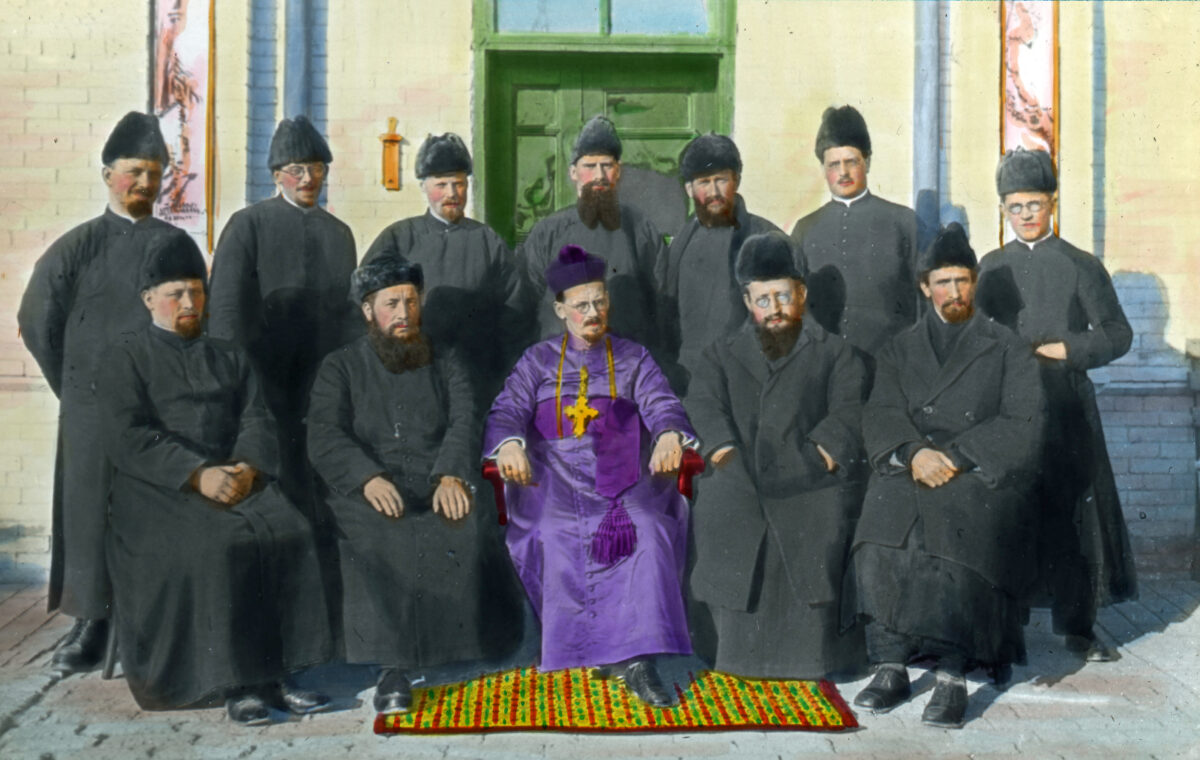
Up to the expulsion of the last missionaries in 1954, altogether there were 49 “Bethlehemites” working in various functions in community pastoral work, education, and administrative functions.
After several visits to our first mission area, the SMB initiated in 2007 further training courses in Communicative Theology for priests, nuns and seminarians from China. These workshops take place in Singapore, Taiwan, Switzerland, und also sporadically in China.

The first missionaries in China
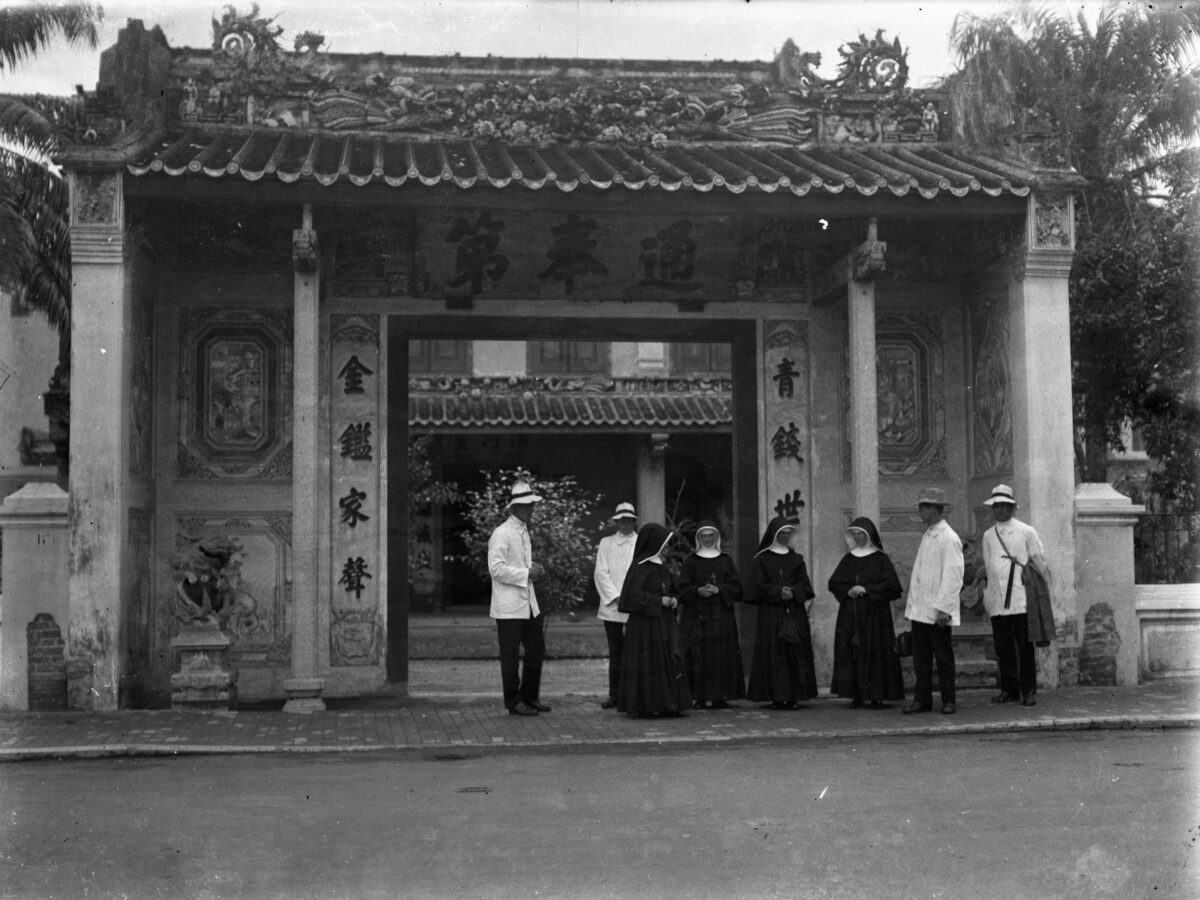
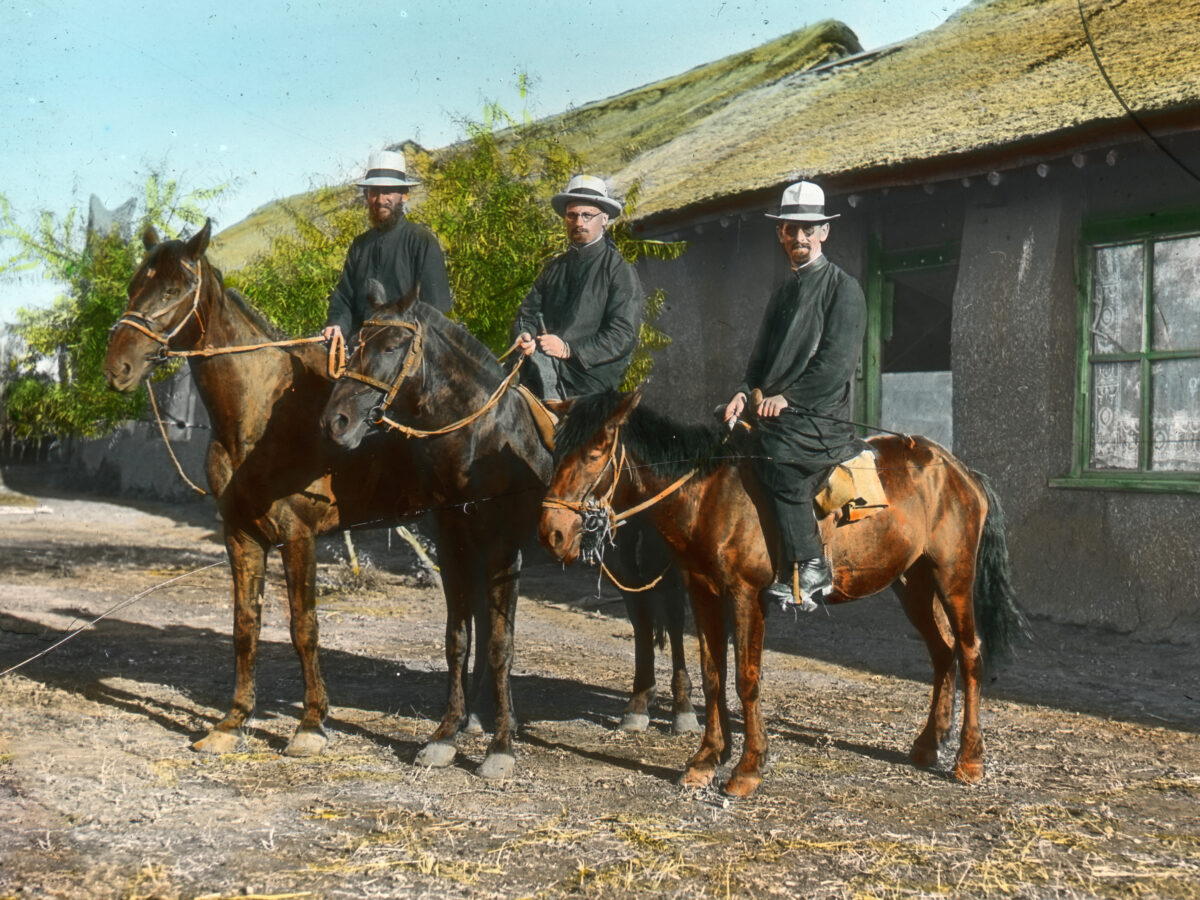
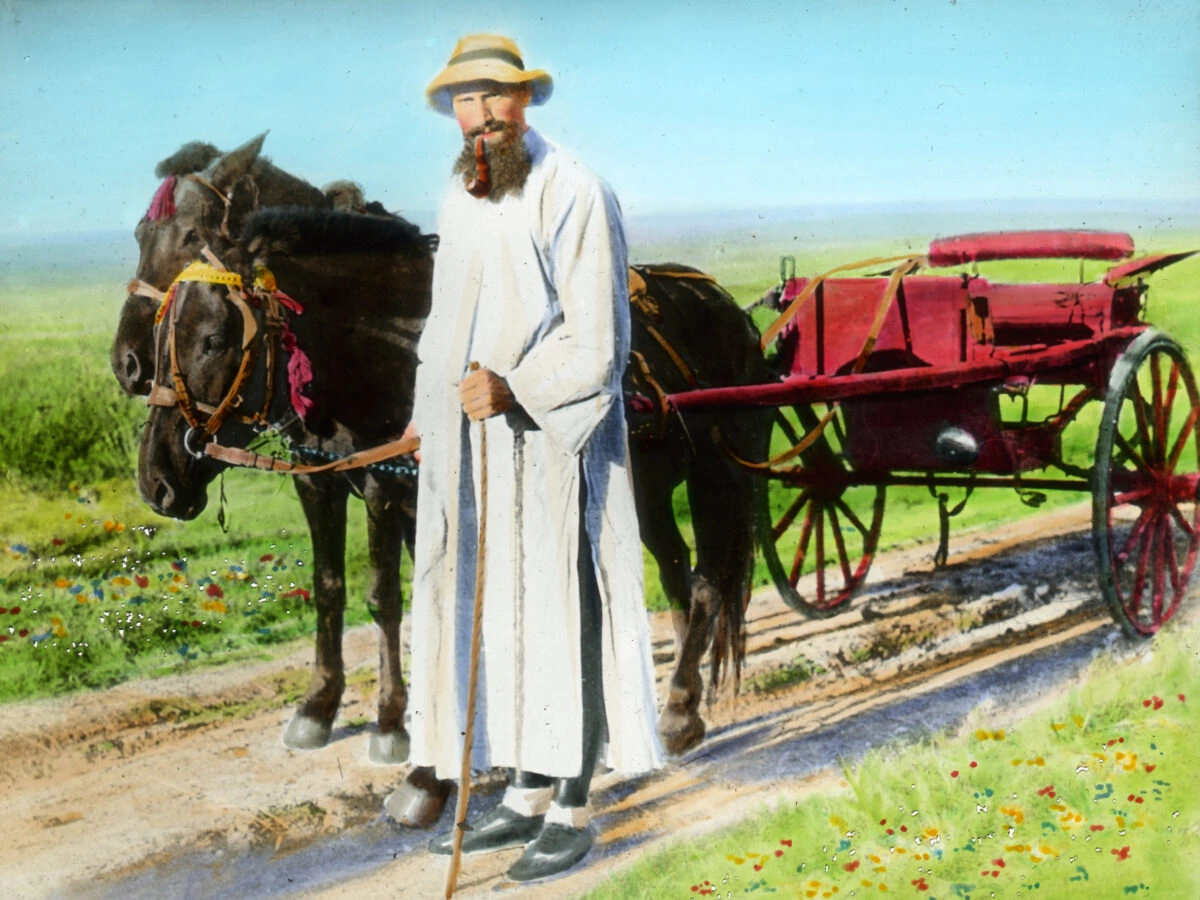
Before Andres and Hiltl, the confreres Hugentobler, Schnetzler and Imhof were the first Bethlehem missionaries to set off for Manchuria in 1924. Like all subsequent missionaries, they had to complete an internship in order to learn the Chinese language and Chinese customs. They arrived in Qiqihar in 1926, in one of the two Manchurian stations founded by the Society for Foreign Missions in Paris (French: Société des Missions Etrangères de Paris MEP).
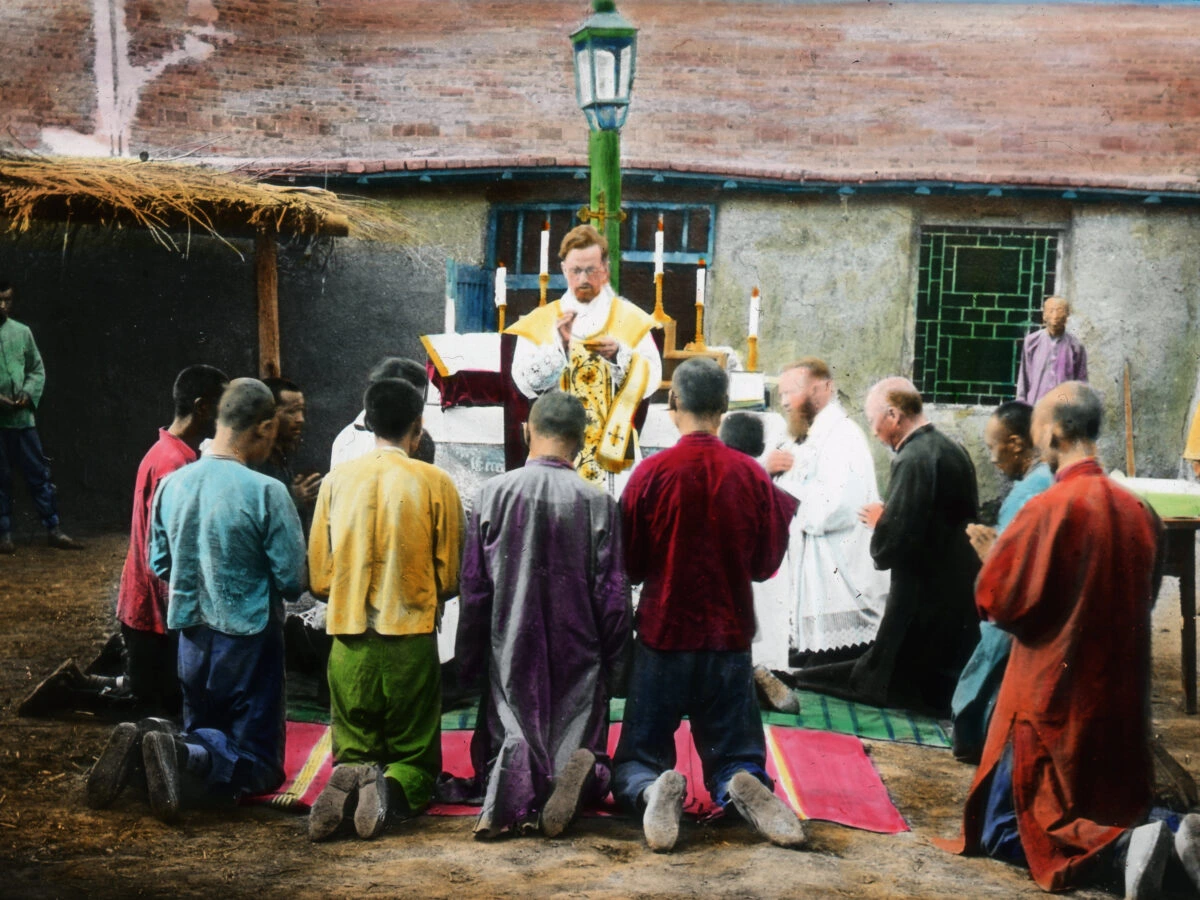
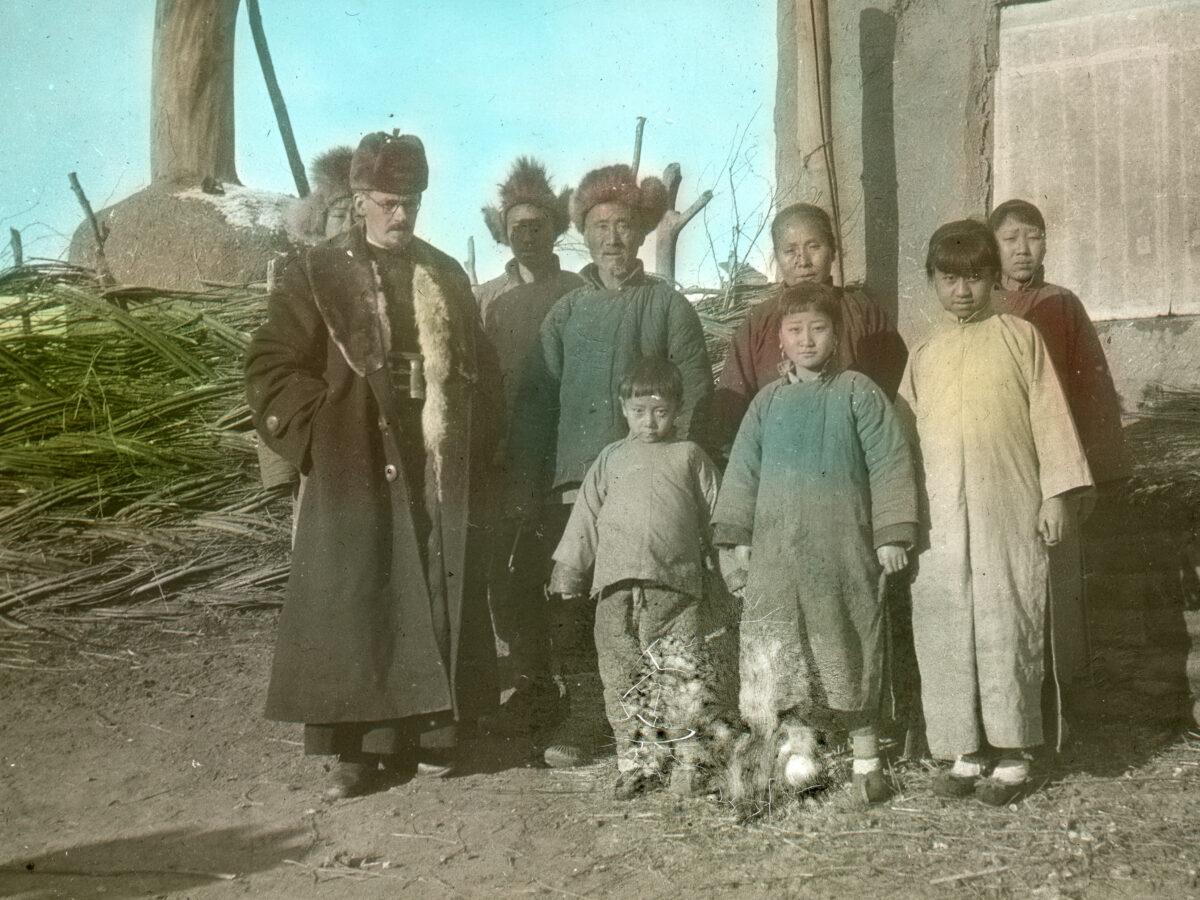
After being welcomed by a Chinese priest who showed them the local customs and traditions, Eugen Imhof quickly set to work. He undertook a journey to the north-east, covering 90 kilometres on foot. Although these expeditions were arduous, they offered great comfort. Christian locals who had not seen a priest for five, ten or even fifteen years could finally receive the sacraments again. This long absence often led to a relaxation of religious duties; this meant a lot of work for the missionaries, true to the saying: “It is easier to convert ten heathens than one sinner!”
 Futher information
The mission stations
More and more priests from the Bethlehem Mission Society flocked to Manchuria, and by 1928 there were already fourteen missionaries for as many stations. The stations were as follows: Chaochou, Uengouda, Changfatoun, Suobétai, Oelldschen, Tientsaokang, Soungtschen, Antatschen, Antä, Qiqihar, Païchouan, Nänäntsi and Youngchotoun-Lintien.
Initially, the missionaries tried to gather the Christians and organise their lives around stations. These structures enabled the priests to teach their otherwise scattered flock. Evangelisation, so to speak, only took place in a second step, as the missionaries relied heavily on the success of these small units. Through the good example of the Christians and the zeal with which they talked about their religion in their surroundings at every favourable opportunity, the unbelievers should also be converted. Thanks to this lay apostolate it was made possible to record more and more conversions.
The focus of the work in the mission stations
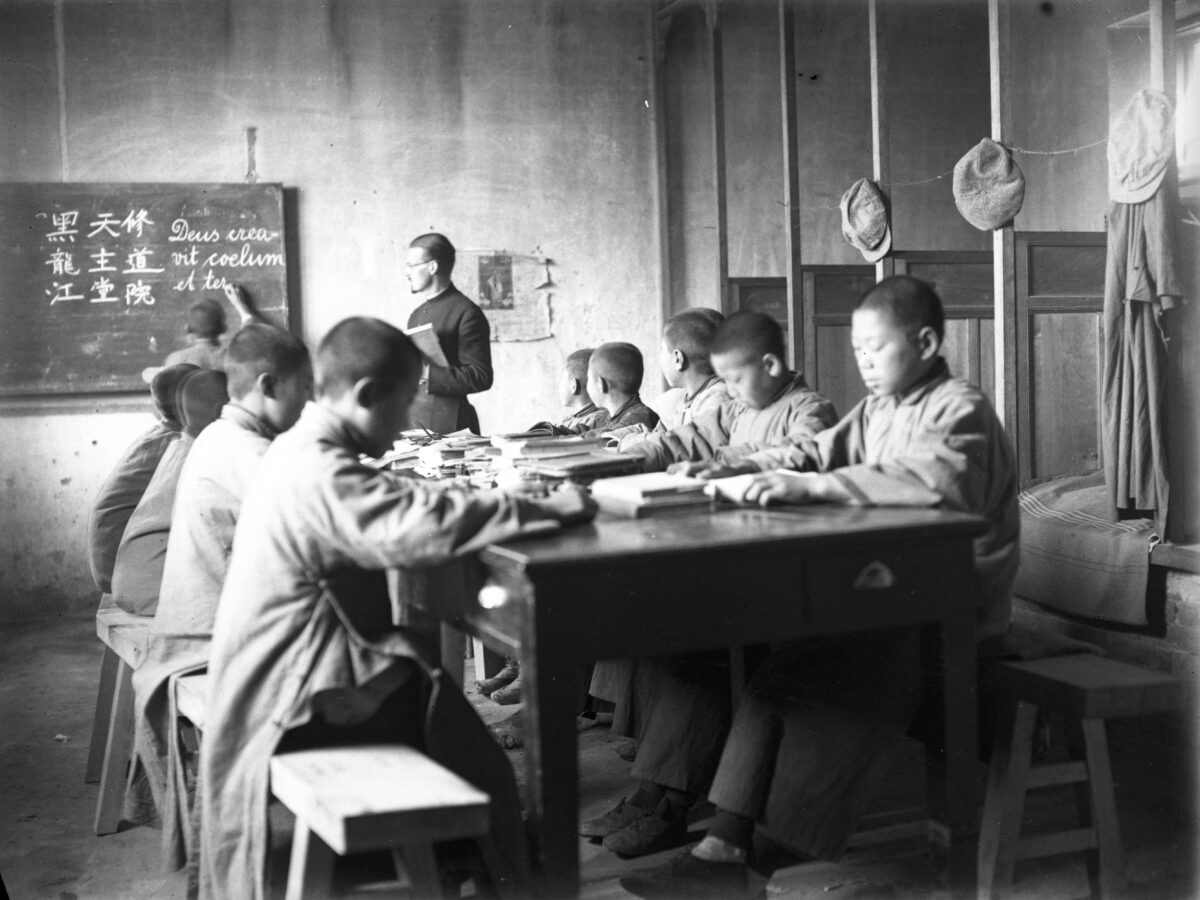
The Bethlehem Mission Society used to build two schools in China, usually in parallel:
The religious school where children, catechumens and older people learnt prayers and the truths of faith.
The primary school, which was also open to pagans. These schools enjoyed a good reputation and gave non-believers their first positive contact with the Christian religion.
Ingenbohl sisters, who accompanied the members of the Bethlehem Mission Society from the beginning of the missionary work, served in hospitals and nursing homes. The numerous healings they performed there led to a large number of conversions.
Finally, in 1927, the construction of a small seminary was completed at the Qiqihar mission station, where the future local clergy were to be trained. It was clearly part of the mission’s original plans that the indigenous Christians should gain autonomy. As one missionary described the aim of his apostolate in 1929: “To establish Christian life as far as possible in such a way that, when storms arise, it will be able to withstand them.”
